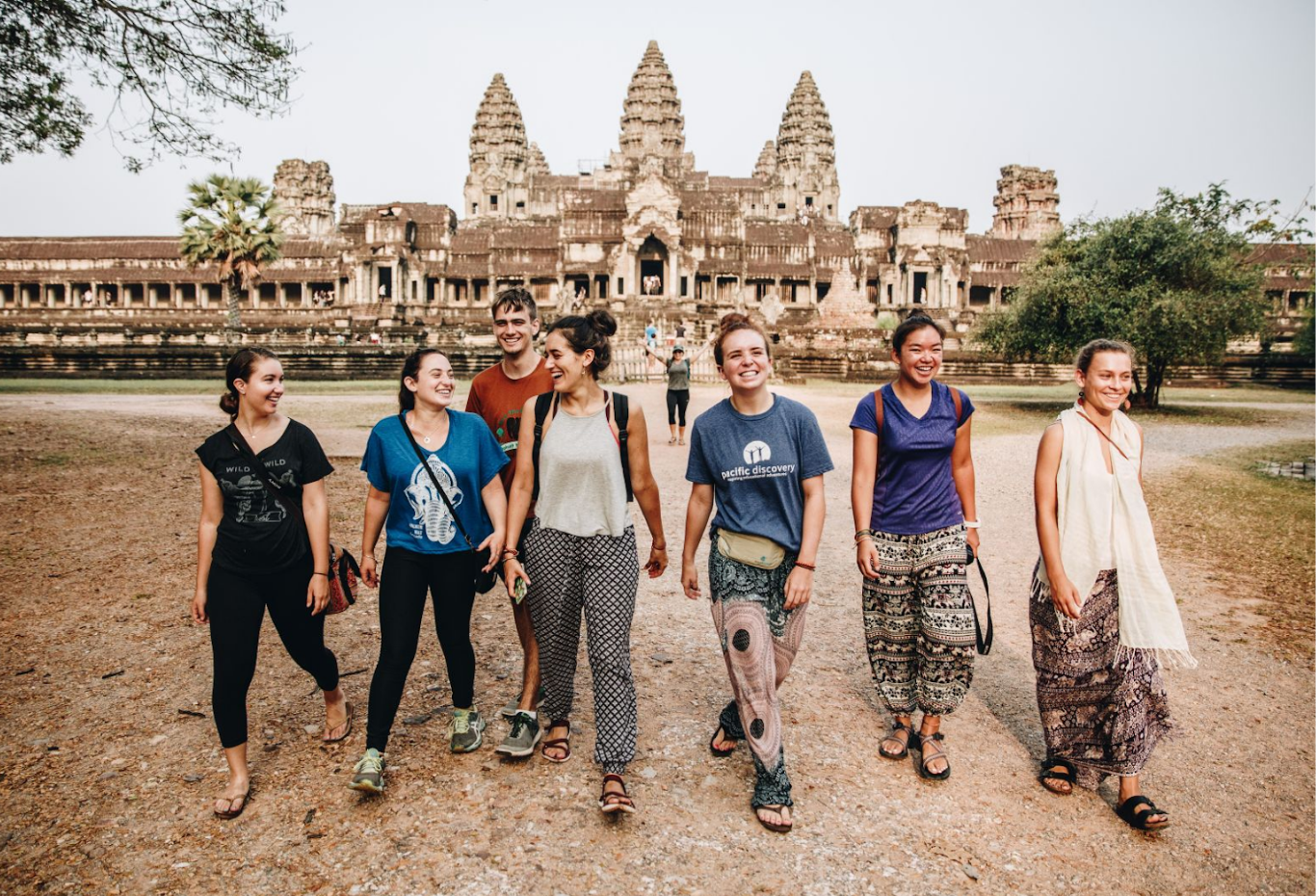
Travel is one of the most rewarding ways to discover the world and learn more about different people, cultures, traditions, and landscapes. Whether it involves a weekend road trip, an international vacation, a family holiday, or a solo adventure, traveling gives people an opportunity to step away from their normal routines and experience something different.
Modern travel has become more accessible than ever. Travelers can research destinations online, compare accommodation prices, plan transportation, discover local restaurants, and build detailed itineraries before leaving home. At the same time, many travelers are moving away from purely sightseeing-focused trips and looking for meaningful experiences, local culture, nature, food, and relaxation.
From choosing the right destination to managing a travel budget, good planning can make a journey more enjoyable and less stressful.
Why Do People Travel?
People travel for many different reasons. Some want to relax after a busy period at work, while others want adventure and exploration. Travel can also be an opportunity to visit family and friends, attend events, experience different cuisines, or learn about history.
For some people, travel provides a break from everyday responsibilities. A change of environment can make it easier to disconnect from familiar routines and focus on new experiences.
Travel can also encourage personal growth. Navigating an unfamiliar city, communicating with people from different backgrounds, or trying something outside your comfort zone can build confidence and independence.
Even a short trip can create lasting memories when travelers focus on experiences rather than simply counting the number of attractions they visit.
Choosing the Right Travel Destination
Selecting a destination is one of the first decisions travelers need to make. The best destination depends on personal interests, budget, available time, weather, transportation, and the type of experience someone wants.
Travelers interested in history may prefer destinations known for museums, monuments, archaeological sites, and historic neighborhoods. Nature lovers may choose mountains, beaches, forests, lakes, or national parks. Others may prioritize shopping, nightlife, food, entertainment, or cultural experiences.
It is also useful to consider the season. A destination that is enjoyable during one part of the year may have very different weather or crowd levels during another.
Instead of choosing a destination simply because it is trending online, consider whether it actually matches your interests and travel style.
Planning a Travel Budget
A realistic budget is one of the most important parts of travel planning. Transportation and accommodation are usually major expenses, but travelers should also account for food, local transportation, entrance fees, activities, travel insurance, shopping, and unexpected costs.
One effective approach is to divide the budget into categories before booking anything. This makes it easier to identify where you can save.
Travelers can often reduce costs by comparing different accommodation options, booking transportation early when appropriate, traveling during less busy periods, and choosing local restaurants instead of expensive tourist-focused establishments.
However, saving money should not mean removing every enjoyable activity from the trip. A better strategy is to prioritize. Spend more on experiences that matter most to you and save on areas that are less important.
Accommodation Options
Accommodation can significantly influence the overall travel experience. Hotels remain a popular choice because they can provide convenience, services, and predictable standards. However, travelers now have many alternatives.
Hostels can be useful for budget travelers and people who enjoy meeting other travelers. Guesthouses and smaller local properties can offer a more personal experience. Vacation rentals may be suitable for families or groups that need additional space and kitchen facilities.
When comparing accommodation, price should not be the only factor. Location, transportation access, reviews, cleanliness, cancellation policies, included amenities, and safety are also important.
A slightly more expensive accommodation in a convenient location can sometimes save money and time on transportation.
Creating a Flexible Itinerary
An itinerary helps organize a trip, but it should not make the entire journey feel like a strict schedule.
Trying to visit too many attractions in a single day can lead to exhaustion. Instead, group activities based on location and leave enough time for meals, transportation, rest, and unexpected discoveries.
A flexible itinerary can include a few priority activities along with optional attractions. If weather changes or an attraction takes longer than expected, you can adjust your plans without feeling that the entire day has been ruined.
Some of the best travel experiences happen unexpectedly. Leaving space for spontaneous walks, local markets, cafés, scenic viewpoints, or conversations with locals can make a trip more memorable.
Traveling on a Budget
Budget travel does not necessarily mean having a poor experience. It often involves making smarter choices.
Travelers can compare transportation options, use public transit where practical, walk when destinations are close, and look for free or low-cost attractions. Many cities offer public parks, historic areas, museums with free-entry periods, cultural events, and scenic walking routes.
Food is another area where travelers can manage expenses. Local restaurants, markets, bakeries, and casual eateries can often provide authentic meals at lower prices than restaurants located directly in major tourist areas.
Traveling during shoulder seasons can also offer a balance between reasonable prices and favorable weather, depending on the destination.
The Growth of Solo Travel
Solo travel has become increasingly popular among people who want independence and flexibility. Traveling alone allows individuals to create their own schedules without negotiating every decision with a group.
Solo travel can also encourage people to become more comfortable making decisions independently. From navigating public transportation to choosing where to eat, travelers gain practical experience.
However, solo travelers should pay particular attention to safety. Researching the destination, keeping important documents secure, staying aware of surroundings, and maintaining communication with trusted contacts are sensible precautions.
Solo travel does not necessarily mean being isolated. Travelers can join tours, attend local activities, stay in social accommodation, or participate in group experiences.
Family Travel
Family travel can create valuable memories, but planning becomes more important when children are involved.
Parents may need to consider shorter travel days, child-friendly accommodation, convenient transportation, meal options, and activities suitable for different ages.
A successful family trip does not require filling every hour with activities. Children may need downtime between attractions, especially during long vacations.
It can also be helpful to involve children in the planning process. Allowing them to choose an activity or destination can make them more interested and engaged throughout the trip.
Sustainable Travel
As tourism continues to grow, sustainable travel has become an important consideration. Travelers can reduce their environmental impact by making thoughtful choices throughout their journeys.
Using public transportation, walking, reducing unnecessary waste, carrying reusable items, and avoiding excessive consumption can help. Travelers can also support local businesses by choosing locally owned restaurants, accommodations, guides, and shops.
Respect for natural environments is equally important. Visitors should follow local rules, avoid damaging wildlife or natural areas, and dispose of waste responsibly.
Sustainable travel is not about achieving perfection. Small decisions made consistently can contribute to more responsible tourism.
Experiencing Local Culture
One of the greatest benefits of travel is the opportunity to experience cultures different from your own.
Instead of visiting only major tourist attractions, travelers can explore local neighborhoods, traditional markets, cultural events, museums, and community spaces.
Food is another excellent way to understand a destination. Local dishes often reflect the history, geography, and traditions of a region.
Travelers should also respect local customs. Learning a few basic phrases, understanding appropriate clothing expectations, following photography rules, and behaving respectfully at religious or cultural sites can make interactions more positive.
Being curious without being intrusive is an important part of responsible cultural travel.
Food and Travel
Food can become one of the most memorable parts of a journey. Different destinations offer unique ingredients, cooking methods, and culinary traditions.
Trying local dishes can introduce travelers to flavors they may never encounter at home. Street food, traditional restaurants, bakeries, food markets, and cooking classes can all provide different experiences.
Travelers with allergies or dietary restrictions should research restaurants and common ingredients in advance. Learning a few relevant phrases in the local language can also make communication easier.
Rather than searching only for familiar international chains, consider trying locally popular places. Recommendations from residents can often lead to memorable meals.
Technology and Modern Travel
Technology has transformed almost every stage of travel. Travelers can now use smartphones to research destinations, store boarding passes, translate languages, navigate unfamiliar streets, compare prices, and communicate with accommodation providers.
Travel apps can also help organize reservations and itineraries. Digital maps make it easier to explore independently, while online reviews provide additional information before making decisions.
However, travelers should not become completely dependent on technology. Keeping offline copies of important reservations, addresses, emergency information, and travel documents can be useful when internet access is limited.
Technology should make travel easier without preventing travelers from experiencing their surroundings.
Travel Safety
Safety should always be part of travel planning. Before visiting a destination, travelers should research local conditions, transportation, common scams, emergency procedures, and relevant entry requirements.
Important documents should be stored securely, and travelers should keep copies of essential information. It is also wise to avoid carrying unnecessary valuables.
When exploring an unfamiliar place, staying aware of your surroundings is more useful than relying entirely on assumptions about safety.
Travel insurance may also be worth considering depending on the destination and type of trip. It can provide protection against certain unexpected travel problems, although travelers should understand the policy terms before purchasing coverage.
Making Travel More Meaningful
A memorable trip is not necessarily the one with the most expensive hotel or the longest list of attractions.
Meaningful travel often comes from slowing down and paying attention. Talk to people, try unfamiliar food, learn about local history, take photographs, explore neighborhoods, and spend time appreciating the environment.
Keeping a travel journal can also help preserve memories. Writing down interesting conversations, favorite meals, unexpected experiences, and personal observations can make the journey meaningful long after returning home.
Travel can change the way people see places and cultures, but it can also change how they see themselves.
Final Thoughts
Travel offers much more than a temporary escape from everyday life. It provides opportunities to explore new environments, experience different cultures, meet new people, taste unfamiliar foods, and create lasting memories.
Whether you prefer luxury vacations, affordable trips, solo adventures, family holidays, road trips, or nature-focused journeys, thoughtful planning can help you get more from every trip.
The key is to travel according to your own interests and circumstances. Choose destinations carefully, create a realistic budget, leave room for flexibility, respect local communities, and focus on experiences that genuinely matter to you.
Ultimately, travel is not simply about how many places you visit. It is about what you discover, what you learn, and the memories you bring home.