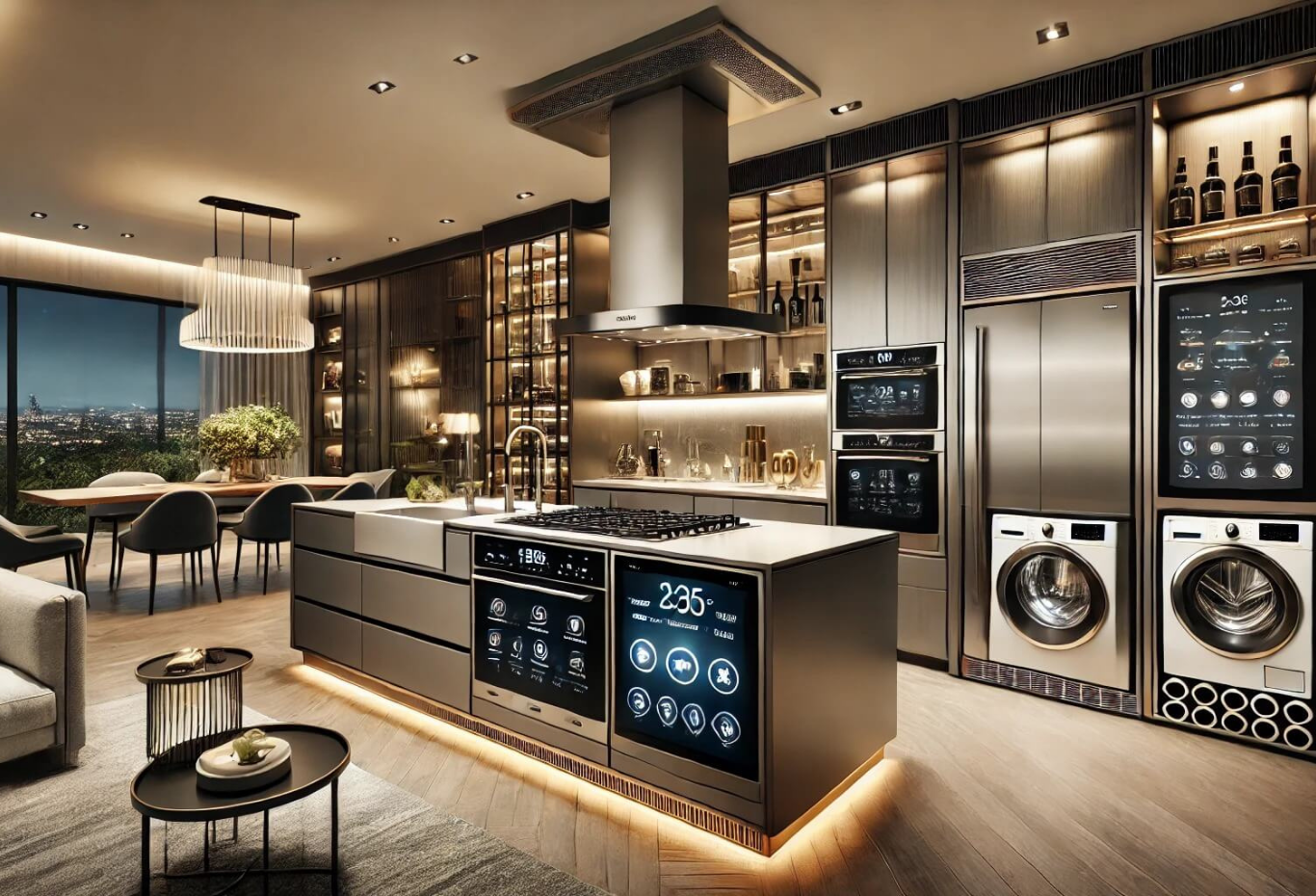
Home appliances have become an essential part of modern living. From refrigerators and washing machines to coffee makers, vacuum cleaners, air conditioners, and smart kitchen devices, appliances help people save time, reduce household effort, and create a more comfortable living environment.
As technology continues to improve, today's appliances are becoming more efficient, convenient, connected, and customizable. Many products now include smart features that allow users to control settings through smartphones, monitor energy consumption, or automate everyday tasks.
However, choosing the right appliance is not always simple. There are countless brands, models, sizes, features, and price ranges available. Understanding the different types of appliances and knowing which features actually matter can help consumers make better purchasing decisions.
What Are Home Appliances?
Home appliances are electrical or mechanical devices designed to perform specific household tasks. They can help with cooking, cleaning, cooling, heating, food storage, laundry, entertainment, and general home maintenance.
Some appliances are large and usually remain in one location, such as refrigerators, ovens, washing machines, and dishwashers. Others are smaller and portable, including blenders, microwaves, coffee makers, air fryers, irons, and vacuum cleaners.
Modern appliances are increasingly designed around convenience and efficiency. Instead of performing repetitive tasks manually, homeowners can use appliances to automate or simplify many everyday activities.
Major Types of Appliances
Appliances can be divided into several categories based on their purpose. Understanding these categories makes it easier to identify what your home actually needs.
Kitchen Appliances
Kitchen appliances are among the most common household products. They are designed to make cooking, food preparation, storage, and cleaning easier.
Refrigerators are essential for keeping food fresh and beverages cool. Modern refrigerators may include adjustable temperature zones, water dispensers, ice makers, digital controls, and smart monitoring features.
Ovens and cooking ranges are available in gas, electric, and induction designs. Microwave ovens provide a quick way to heat or prepare certain foods, while air fryers have become popular for convenient cooking with little or no added oil.
Other useful kitchen appliances include:
- Blenders
- Food processors
- Coffee makers
- Electric kettles
- Toasters
- Rice cookers
- Slow cookers
- Stand mixers
- Dishwashers
- Juicers
The best kitchen appliances depend on cooking habits, available space, household size, and budget.
Laundry Appliances
Laundry appliances can significantly reduce the time and physical effort required to clean clothes.
Washing machines are available in different capacities and designs. Front-load models are often chosen for their efficient washing performance, while top-load machines can offer convenient loading and shorter cycles depending on the model.
Dryers are useful for households that need to dry clothes quickly or live in areas where outdoor drying is difficult. Washer-dryer combination machines can be particularly useful for homes with limited space.
When choosing laundry appliances, consider capacity, water and energy consumption, cycle options, noise levels, maintenance requirements, and available space.
Cleaning Appliances
Cleaning appliances help maintain floors, carpets, furniture, and other household surfaces.
Traditional vacuum cleaners remain useful, but robotic vacuum cleaners have introduced a new level of automation. Many robot vacuums can map rooms, avoid certain obstacles, schedule cleaning sessions, and return to their charging stations automatically.
Other cleaning appliances include steam cleaners, carpet cleaners, handheld vacuums, and electric mops.
The right cleaning appliance depends on floor type, home size, pets, allergies, and how frequently the household needs to clean.
Heating and Cooling Appliances
Heating and cooling appliances are important for maintaining comfortable indoor temperatures.
Air conditioners are commonly used to cool homes during hot weather. Different types include window units, portable air conditioners, split systems, and central cooling systems.
Fans can provide a more affordable way to improve air circulation. Depending on the climate, homes may also require heaters, electric radiators, heat pumps, or other heating solutions.
Energy efficiency is particularly important when purchasing heating and cooling equipment because these appliances can consume significant amounts of electricity.
Small Household Appliances
Small appliances may not be as large as refrigerators or washing machines, but they can make everyday routines much easier.
Examples include:
- Irons
- Hair dryers
- Electric shavers
- Coffee machines
- Toasters
- Kettles
- Food processors
- Portable fans
- Humidifiers
- Dehumidifiers
Because these appliances are generally easier to replace, consumers should focus on practical features, reliability, ease of use, and overall value rather than simply choosing the cheapest product.
Smart Appliances and Connected Homes
Smart technology is changing the way people interact with household appliances.
Smart appliances can connect to Wi-Fi or other networks and may allow users to control certain functions through smartphones or voice assistants. For example, a smart washing machine may notify the user when a cycle is finished, while a smart refrigerator may provide temperature alerts.
Some smart appliances can also collect information about usage and provide recommendations or maintenance notifications.
However, smart features are not automatically useful for everyone. Consumers should consider whether they will actually use connected features before paying extra for them.
Compatibility is also important. If multiple smart appliances are being purchased, checking whether they work with the same smart-home ecosystem can create a smoother experience.
Energy Efficiency Matters
Energy efficiency is one of the most important factors to consider when purchasing appliances.
An appliance with a low purchase price may not necessarily be cheaper over its entire lifespan. If it consumes a large amount of electricity or water, operating costs can eventually exceed the initial savings.
When comparing appliances, look at:
- Energy-efficiency ratings
- Estimated electricity consumption
- Water usage
- Operating modes
- Standby power consumption
- Expected lifespan
- Maintenance requirements
Energy-efficient appliances can help reduce ongoing household expenses while also lowering unnecessary resource consumption.
Choosing the Right Appliance for Your Home
Buying an appliance should begin with your actual needs rather than the features advertised on the box.
First, determine the primary purpose of the appliance. A large family may need a high-capacity washing machine, while someone living alone may prefer a compact model.
Next, measure the available space. This is especially important for refrigerators, washing machines, dishwashers, ovens, and other large appliances. Check the width, height, and depth and remember to leave enough room for ventilation and installation.
You should also consider how frequently the appliance will be used. A product used every day deserves more attention to durability, efficiency, and long-term operating costs.
Appliance Features: Which Ones Matter?
Modern appliances can include dozens of features, but not all of them are equally valuable.
Useful features are those that solve a genuine problem or improve convenience. For example, adjustable refrigerator shelves can make food organization easier, while multiple washing cycles can be helpful for different fabric types.
Other potentially useful features include:
- Automatic shutoff
- Adjustable temperature controls
- Timers
- Child-safety locks
- Multiple operating modes
- Easy-clean surfaces
- Removable components
- Digital displays
- Energy-saving modes
Avoid paying significantly more for features that you are unlikely to use. A simple appliance with reliable core functions can often provide better value than an expensive model filled with unnecessary extras.
Appliance Size and Capacity
Size should always match household requirements.
A larger appliance is not automatically better. Oversized refrigerators may consume more energy and take up valuable kitchen space. Similarly, buying a washing machine with far more capacity than needed may not provide meaningful benefits.
On the other hand, an appliance that is too small may require repeated cycles, increasing water and electricity consumption.
Think about your normal household usage rather than occasional situations. Choose a capacity that comfortably handles your typical needs without excessive unused space.
Buying Appliances on a Budget
Appliances can range from affordable basic models to premium products with advanced technology.
If you have a limited budget, prioritize the features that affect performance, durability, efficiency, and safety. Decorative features and advanced connectivity can usually be considered secondary.
Shopping during major sales can also provide opportunities to save money. However, consumers should compare the regular prices of several retailers rather than assuming every discount represents a genuine bargain.
Refurbished appliances may also be worth considering in some categories, particularly when they come from reputable sellers and include appropriate warranties or return policies.
Brand Reputation and Reviews
Brand reputation can provide useful information when comparing appliances, but it should not be the only deciding factor.
Look for brands with established customer support, accessible replacement parts, clear warranty policies, and a history of producing reliable products.
Customer reviews can also reveal practical information that product descriptions may not mention. Pay attention to repeated complaints rather than isolated negative comments.
For example, if many users report excessive noise, difficult controls, poor customer support, or frequent breakdowns, those patterns deserve attention.
Installation and Maintenance
Some appliances require professional installation. Large refrigerators, gas cooking appliances, built-in ovens, dishwashers, air conditioners, and certain laundry machines may need specific connections or installation procedures.
Before buying, check whether installation is included or charged separately.
Regular maintenance can also extend the useful life of an appliance. Cleaning filters, removing accumulated debris, checking seals, and following manufacturer maintenance instructions can help keep equipment operating properly.
Ignoring basic maintenance may reduce efficiency and increase the risk of expensive repairs.
Appliance Safety
Safety should always be a priority.
Electrical appliances should be used according to manufacturer instructions. Avoid overloading outlets, using damaged power cords, or operating appliances in unsuitable environments.
Heating appliances should be kept away from flammable materials. Cooking appliances should be monitored appropriately, and children should be kept away from potentially dangerous controls or hot surfaces.
If an appliance develops unusual smells, sparks, excessive heat, strange noises, or other warning signs, stop using it and have it inspected by a qualified professional when appropriate.
Sustainable Appliance Choices
Sustainability is becoming increasingly important in appliance shopping.
Choosing energy-efficient products can reduce electricity consumption. Durable appliances can also reduce waste because they do not need to be replaced as frequently.
Consumers can also consider repairability. A product that can be repaired rather than immediately discarded may provide better long-term value.
At the end of an appliance's useful life, proper recycling or disposal is important. Electrical appliances may contain materials that should not simply be placed in ordinary household waste.
The Future of Home Appliances
The future of appliances is likely to focus on greater automation, efficiency, connectivity, and personalization.
Artificial intelligence and sensors may allow appliances to adjust settings based on usage patterns. Smart refrigerators could become better at monitoring food storage, while washing machines may automatically optimize cycles based on load characteristics.
Energy management is another important area. Future appliances may work more closely with smart-home systems to operate during favorable energy periods or reduce unnecessary consumption.
At the same time, consumers are likely to continue demanding appliances that are easier to repair, more efficient, and more environmentally responsible.
Final Thoughts
Appliances play an important role in modern homes by simplifying everyday tasks and improving comfort and convenience. From essential kitchen and laundry equipment to smart cleaning devices and advanced heating and cooling systems, there are options for almost every household need.
The best appliance is not necessarily the most expensive or technologically advanced model. Instead, it should provide the right combination of performance, reliability, efficiency, capacity, convenience, and value.
Before purchasing, consider your household needs, available space, budget, energy consumption, maintenance requirements, warranty, and long-term operating costs. Comparing these factors can help you choose appliances that remain useful for years rather than becoming expensive products that rarely get used.
As appliance technology continues to evolve, consumers will have even more opportunities to create homes that are efficient, comfortable, connected, and easier to manage.