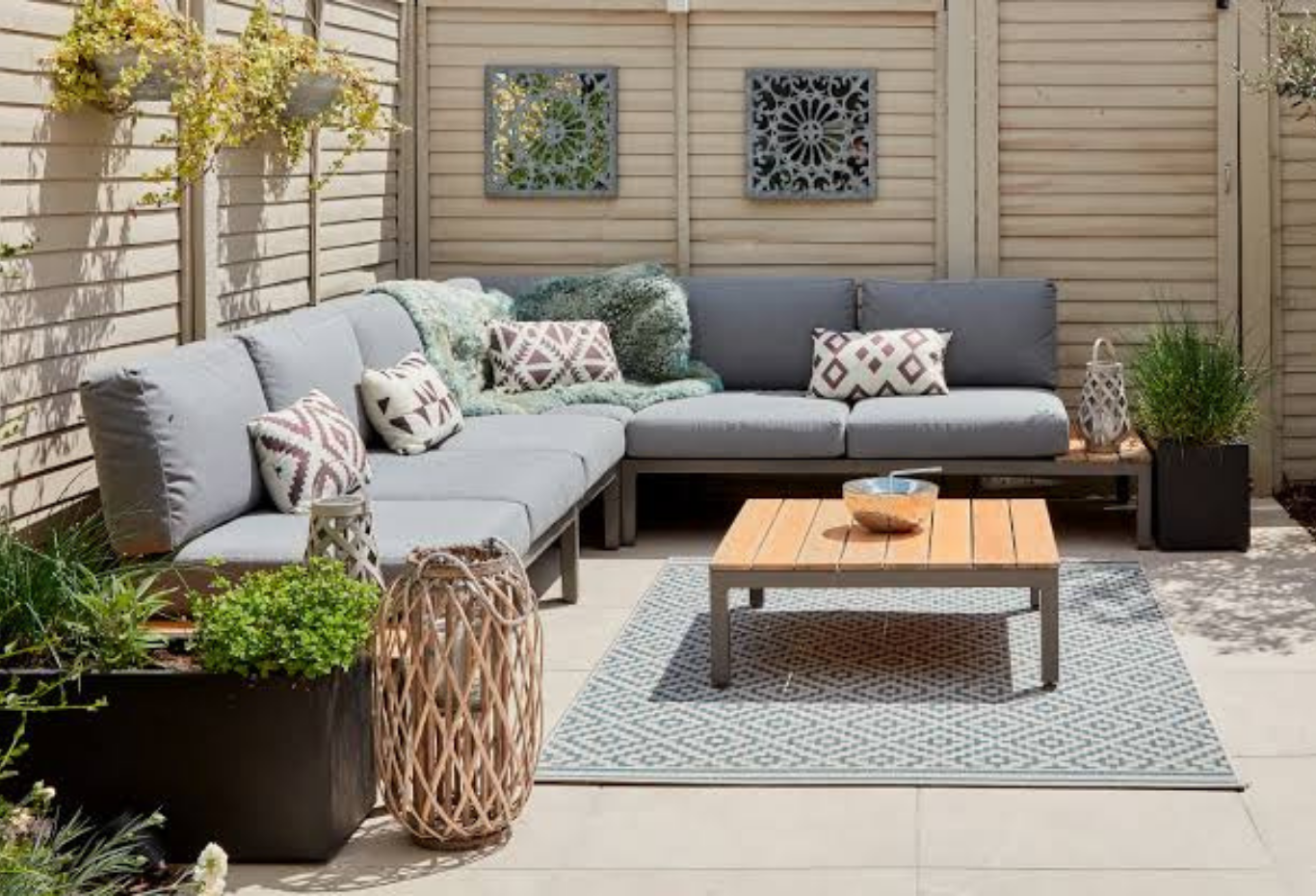
Home and garden are important parts of everyday life. A home is more than a place to sleep; it is where people relax, work, spend time with family, entertain guests, and create memories. A garden, patio, balcony, or small outdoor area can extend that living space and provide an opportunity to connect with nature.
Creating a comfortable home does not always require expensive furniture, major renovations, or professional landscaping. Small improvements, thoughtful organization, suitable décor, and regular maintenance can make a noticeable difference. Whether you live in a large house, an apartment, or a small urban space, there are many ways to make your surroundings more functional and enjoyable.
From interior decorating and storage solutions to gardening, energy efficiency, and outdoor living, home and garden improvements can be adapted to different budgets and lifestyles.
Creating a Comfortable Home
Comfort is one of the most important elements of a good home. A comfortable space should support the way you actually live rather than simply look attractive in photographs.
Furniture should be selected according to the size and purpose of each room. A large sofa may work well in a spacious living room but can make a small room feel crowded.
Lighting also has a major impact on comfort. A combination of natural light, ceiling fixtures, floor lamps, table lamps, and accent lighting can create different moods throughout the day.
Soft furnishings such as rugs, cushions, curtains, and blankets can add warmth and personality without requiring major changes.
The goal is to create a home that feels welcoming while remaining practical and easy to maintain.
Organizing and Decluttering
A well-organized home can feel more spacious and easier to manage. Clutter can make rooms appear smaller and may make everyday tasks more difficult.
Decluttering does not mean throwing away everything you own. Instead, it involves identifying items that are no longer useful, needed, or appreciated.
Storage solutions can help keep frequently used items accessible without allowing them to dominate the room. Shelves, baskets, storage boxes, drawer organizers, and multipurpose furniture can all be useful.
A simple approach is to organize one area at a time. Trying to declutter an entire home in a single day can become overwhelming.
Regularly reviewing belongings can also prevent clutter from building up again.
Choosing Home Décor
Home décor allows people to express their personality. Colors, furniture, artwork, textiles, plants, lighting, and accessories can all contribute to the overall appearance of a room.
There is no single decorating style that works for everyone. Some people prefer minimalist interiors with clean lines and neutral colors, while others enjoy traditional, rustic, modern, industrial, or colorful designs.
When decorating, consider how different elements work together. A room can become visually overwhelming if every item is designed to attract attention.
One practical approach is to select a simple base and then add personality through smaller decorative pieces. This also makes it easier to update the appearance of a room without replacing major furniture.
Making Small Spaces Work
Small homes and apartments can still be comfortable and stylish. The key is to use space efficiently.
Multifunctional furniture can be especially useful. A storage ottoman can provide seating and hidden storage, while a bed with drawers underneath can help maximize bedroom space.
Vertical storage is another useful strategy. Shelves and wall-mounted organizers can provide additional storage without taking up valuable floor space.
Mirrors can also make some rooms appear larger by reflecting light and creating a greater sense of depth.
Instead of filling every available area, leave enough open space to allow rooms to feel comfortable and easy to move through.
Creating an Inviting Outdoor Space
Outdoor areas can become an extension of the home. Even a small balcony, patio, terrace, or garden can provide a place to relax and enjoy fresh air.
Comfortable seating, outdoor lighting, potted plants, and a small table can transform a basic outdoor area into a useful living space.
For larger gardens, different zones can be created for dining, relaxation, gardening, children's activities, or entertaining guests.
Outdoor spaces should be designed according to the local climate and the amount of maintenance you are willing to perform.
Starting a Home Garden
Gardening can be both enjoyable and practical. Growing plants can add color and natural beauty while creating an opportunity to spend time outdoors.
Beginners do not need a large garden to get started. Containers, raised beds, balconies, and small planting areas can all support suitable plants.
Before planting, consider sunlight, soil quality, drainage, temperature, and available space.
It is often better to start with a small number of easy-to-grow plants rather than attempting a large garden immediately.
As you gain experience, you can experiment with additional varieties and more advanced gardening techniques.
Growing Herbs and Vegetables
Growing herbs and vegetables at home can be rewarding, particularly when you can use freshly harvested ingredients in your meals.
Herbs such as mint, basil, parsley, coriander, rosemary, and thyme can work well in suitable containers and growing conditions.
Vegetables depend heavily on climate and available space. Some can be grown successfully in containers, while others require more room.
A productive vegetable garden requires attention to sunlight, watering, soil, pests, and seasonal planting.
Growing food at home does not necessarily replace grocery shopping, but it can provide a practical hobby and a source of fresh ingredients.
Caring for Indoor Plants
Indoor plants can add greenery to rooms and create a more natural atmosphere. Different plants have different requirements, so it is important to choose varieties suitable for your indoor conditions.
Consider the amount of natural light available before selecting a plant. Some plants prefer bright indirect light, while others tolerate lower-light environments.
Overwatering is a common mistake among beginners. Plant care should be based on the needs of the specific species rather than following a fixed watering schedule for every plant.
Clean leaves, suitable containers, proper drainage, and occasional feeding can help indoor plants remain healthy.
Sustainable Home and Garden Ideas
Sustainability can be incorporated into both home improvement and gardening.
Energy-efficient lighting, improved insulation, efficient appliances, and smart energy management can help reduce unnecessary energy use.
In the garden, composting organic waste can provide useful material for soil while reducing household waste. Collecting rainwater where appropriate and permitted can also support responsible water use.
Choosing durable products rather than frequently replacing inexpensive items can reduce waste over time.
Sustainable living does not require completely changing your lifestyle. Small improvements can gradually make a meaningful difference.
Saving Energy at Home
Energy efficiency can benefit both household budgets and the environment.
Simple steps include switching to energy-efficient lighting, turning off unnecessary devices, maintaining appliances, and using heating and cooling systems efficiently.
Sealing gaps around doors and windows can help improve indoor temperature control. Curtains and blinds can also influence how much heat enters or leaves a room.
Smart plugs and energy-monitoring devices can help households understand where electricity is being consumed. This information can make it easier to identify devices that use energy unnecessarily.
The most effective improvements depend on the home, climate, appliances, and household habits.
Cleaning and Home Maintenance
Regular cleaning and maintenance can help protect a home and prevent small problems from becoming expensive repairs.
A practical cleaning schedule can divide household tasks into daily, weekly, and occasional activities. High-traffic areas may require frequent attention, while less-used spaces can be cleaned less often.
Home maintenance should also include checking plumbing, electrical systems, appliances, windows, doors, roofing, and outdoor areas when appropriate.
Small issues such as leaks, damaged seals, or unusual appliance sounds should not always be ignored. Addressing problems early can sometimes prevent more serious damage.
Choosing Furniture Wisely
Furniture is a major investment, so purchasing decisions should consider both appearance and practicality.
Measure your space before buying large furniture. An item that looks appropriate in a showroom may not fit comfortably in your home.
Durability is also important. Furniture used every day should generally be chosen for its construction and expected lifespan rather than appearance alone.
Neutral or versatile pieces can make future decorating changes easier. Accessories such as cushions, throws, rugs, and artwork can then be used to introduce seasonal or personal changes.
Budget-Friendly Home Improvements
Improving a home does not always require a large budget.
Changing lighting, rearranging furniture, adding plants, updating textiles, repainting a room, or organizing storage can make a noticeable difference.
Secondhand furniture can also provide affordable options. With cleaning, repairs, or refinishing, some older pieces can become attractive additions to a home.
DIY projects can be rewarding when they are appropriate for your skills. However, electrical, structural, plumbing, or other specialized work may require qualified professionals.
Seasonal Home and Garden Care
Homes and gardens require different types of care throughout the year.
Spring can be a useful time for deep cleaning, planting, organizing outdoor spaces, and checking areas affected by winter weather.
Summer may require more attention to watering, ventilation, cooling, and outdoor maintenance.
Fall can be a good time to prepare gardens for colder weather and inspect the home for maintenance issues.
Winter often brings a greater focus on heating, insulation, preventing frozen pipes where relevant, and protecting plants from unsuitable conditions.
Seasonal maintenance can make it easier to manage problems before they become major issues.
Creating a Relaxing Home Environment
A home should provide a place where people can recover from the demands of daily life.
Soft lighting, comfortable furniture, natural elements, calming colors, and organized spaces can contribute to a relaxing atmosphere.
A dedicated reading corner, meditation area, hobby space, or comfortable outdoor seating area can provide a place to disconnect from work and technology.
Personal touches are also important. Family photographs, artwork, books, souvenirs, and meaningful objects can make a house feel more personal.
Final Thoughts
Home and garden improvements are not simply about making a property look attractive. They are about creating spaces that support comfort, organization, functionality, relaxation, and everyday living.
From decluttering and choosing practical furniture to growing herbs, caring for indoor plants, creating outdoor spaces, and improving energy efficiency, there are countless ways to enhance a home.
The best approach is to focus on improvements that match your lifestyle, available space, budget, and maintenance preferences. You do not need to complete everything at once. Small, consistent changes can gradually transform a home and garden into a more comfortable and enjoyable environment.
Whether you are an experienced gardener, a first-time homeowner, or someone living in a small apartment, thoughtful design and practical care can help you make the most of the space you have.