The right gear can make a significant difference in how people work, travel, exercise, explore, and enjoy outdoor activities. Whether you are preparing for a weekend camping trip, planning a hiking adventure, setting up a home workout space, or simply looking for practical equipment for everyday use, choosing the right gear can improve comfort, safety, and convenience.
The word "gear" covers a broad range of products. It can include outdoor equipment, travel accessories, sports products, fitness equipment, tools, protective items, backpacks, footwear, clothing, and specialized equipment for different activities. With so many choices available, understanding what makes gear useful and reliable is an important part of smart shopping.
What Is Gear?
Gear generally refers to equipment, tools, clothing, accessories, or other products designed to support a particular activity. The type of gear needed depends on the activity and environment.
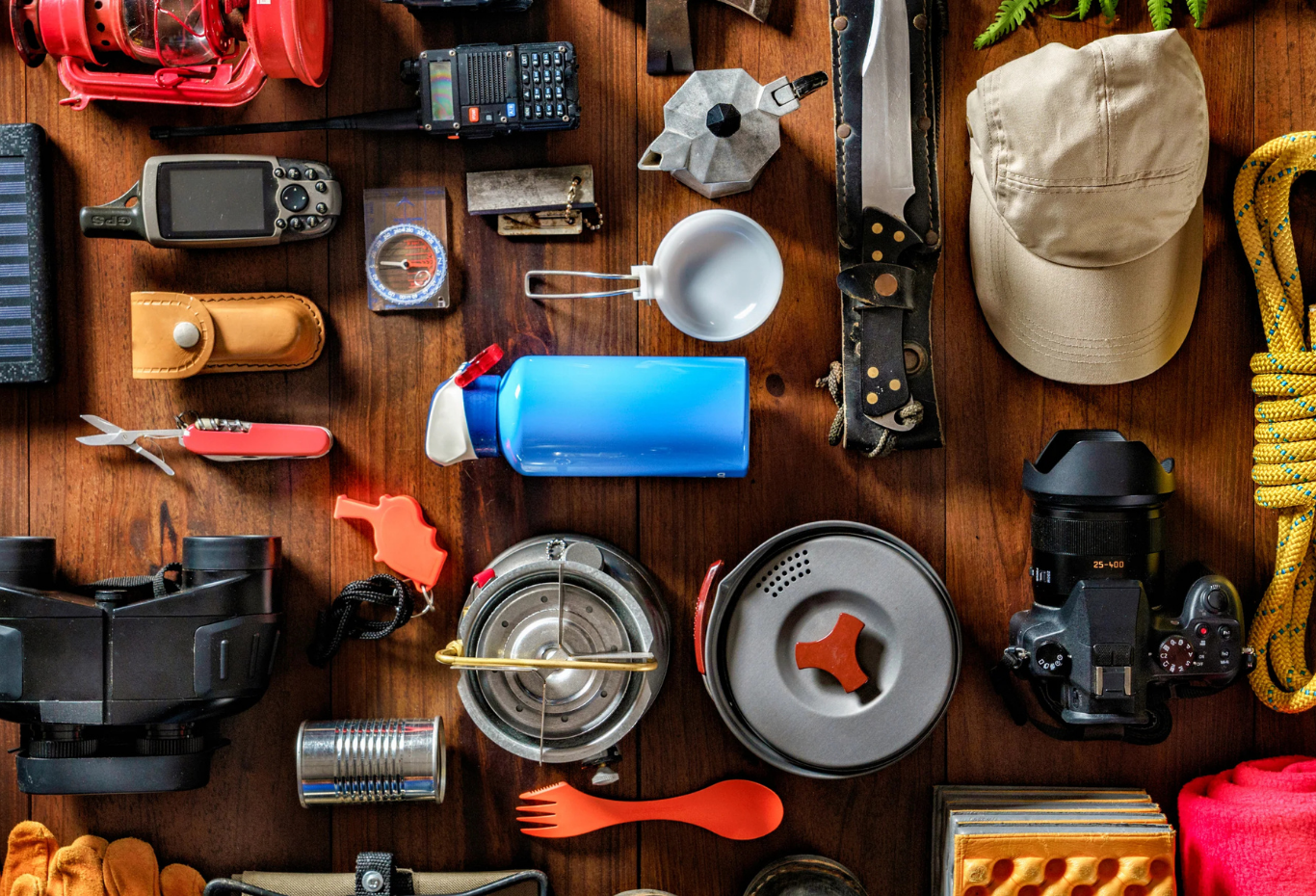
For example, hiking gear may include backpacks, hiking boots, water bottles, trekking poles, navigation tools, and weather-resistant clothing. Camping gear can include tents, sleeping bags, cooking equipment, lanterns, and portable furniture.
Similarly, fitness gear can include resistance bands, dumbbells, exercise mats, workout clothing, and training accessories.
Good gear should make an activity more comfortable, efficient, convenient, or safe. The best choice is not necessarily the most expensive product but the one that matches the user's needs.
Outdoor Gear
Outdoor gear is designed to help people enjoy activities such as hiking, camping, fishing, climbing, cycling, and adventure travel.
Outdoor environments can be unpredictable, so durability and weather resistance are important considerations. Equipment should be appropriate for the terrain, climate, duration of the activity, and level of experience.
A day hike may require only a small backpack, water bottle, appropriate footwear, weather protection, navigation tools, and basic emergency supplies. A multi-day camping trip requires considerably more equipment.
Before buying outdoor gear, consider how frequently it will be used. Occasional users may prefer affordable and versatile equipment, while experienced outdoor enthusiasts may benefit from specialized products designed for demanding conditions.
Camping Gear
Camping is one of the most popular activities associated with outdoor gear. The right equipment can turn an uncomfortable trip into a much more enjoyable experience.
Essential camping gear may include a tent, sleeping bag, sleeping pad, flashlight or lantern, cooking equipment, water storage, appropriate clothing, and basic first-aid supplies.
The tent should be selected according to the number of people using it and the expected weather conditions. A sleeping bag should also be appropriate for the temperatures likely to be encountered.
Portable cooking equipment can make meal preparation easier, while compact storage containers help keep food and supplies organized.
When choosing camping equipment, weight and packability become increasingly important for people who need to carry their gear over long distances.
Hiking Gear
Hiking gear should provide comfort, protection, and practicality. Footwear is particularly important because hikers may spend several hours walking across uneven terrain.
Hiking boots or shoes should fit properly and provide appropriate traction for the intended environment. Socks also matter because they can affect comfort and moisture management.
A suitable backpack should distribute weight comfortably and provide enough space for water, food, clothing, navigation equipment, and other essentials.
Depending on the route, hikers may also need trekking poles, rain protection, sun protection, navigation tools, and emergency supplies.
The best hiking setup is one that provides what you actually need without adding unnecessary weight.
Travel Gear
Travel gear is designed to make journeys more organized and comfortable. Popular travel products include luggage, backpacks, packing organizers, travel adapters, toiletry bags, neck pillows, water bottles, and portable chargers.
Frequent travelers often benefit from lightweight and durable products. Luggage with strong wheels, comfortable handles, and useful compartments can make navigating airports and hotels easier.
Packing cubes can help organize clothing and separate different types of items inside a suitcase. A compact travel backpack can also be useful for day trips after reaching a destination.
Travel gear should be selected according to the type of trip. Business travel, backpacking, family vacations, and outdoor adventures can all require different equipment.
Fitness and Sports Gear
Fitness gear has become increasingly popular as more people exercise at home, outdoors, or in gyms.
Common fitness equipment includes dumbbells, resistance bands, exercise mats, kettlebells, jump ropes, foam rollers, and workout accessories.
Sports-specific gear can be more specialized. Running, cycling, swimming, football, tennis, and other sports require equipment designed around the movements and demands of the activity.
Comfort and fit are important when selecting sports gear. For example, running shoes should provide an appropriate fit and support for the individual's running style and environment.
Buying equipment simply because it is popular may not be useful if it does not match your activity or fitness goals.
Protective Gear
Safety equipment is another important category of gear. Depending on the activity, protective products may include helmets, gloves, goggles, reflective clothing, knee protection, elbow protection, and other safety equipment.
Cyclists, construction workers, outdoor adventurers, and athletes may all require different types of protective gear.
Protective equipment should be properly fitted and appropriate for the activity. Users should also follow manufacturer instructions and replace equipment when it becomes damaged or reaches the end of its recommended service life.
Safety should always take priority over appearance or convenience.
Clothing and Footwear Gear
Technical clothing and footwear can play an important role in outdoor and athletic activities. Modern fabrics may be designed to provide moisture management, insulation, ventilation, weather protection, or durability.
Layering is a useful approach for outdoor activities because it allows people to adjust clothing as conditions change. A base layer can help manage moisture, while insulating and outer layers can provide additional protection.
Footwear should also match the activity. Hiking boots, running shoes, cycling shoes, work boots, and casual sneakers are designed with different purposes in mind.
Proper fit is often more important than appearance when choosing activity-specific footwear.
How to Choose the Right Gear
With so many options available, buying the right gear can feel overwhelming. Start by identifying the activity and conditions in which the equipment will be used.
Next, determine which features are genuinely important. Consider factors such as durability, weight, size, comfort, weather resistance, storage capacity, ease of use, and maintenance requirements.
Budget is another important factor. It is often better to invest in one reliable piece of equipment than buy several inexpensive products that need frequent replacement.
However, expensive does not always mean better. A premium product may include features that are unnecessary for casual users.
Durability and Quality
Durability is especially important for gear used outdoors or during physically demanding activities. Equipment that fails during a trip can be inconvenient and, in some situations, potentially dangerous.
Look for strong construction, reliable materials, reinforced areas, secure fasteners, and reputable warranties when appropriate.
Customer reviews can provide useful information about real-world durability, but they should be considered alongside product specifications and independent evaluations.
Taking care of equipment can also extend its useful life. Cleaning, drying, storing, and maintaining gear according to manufacturer instructions can prevent premature damage.
Lightweight Gear
Weight matters considerably for travelers, hikers, cyclists, and backpackers. Carrying unnecessary equipment can increase physical strain and reduce enjoyment.
Lightweight gear can help reduce the overall load, but there can sometimes be a trade-off between weight, durability, and price.
Instead of choosing the lightest possible product, look for a practical balance between weight and performance.
Multi-purpose equipment can also reduce the amount of gear required. A product that performs several useful functions may be more valuable than carrying several specialized items.
Sustainable Gear Choices
Sustainability has become an increasingly important consideration when purchasing equipment. Many consumers are looking for products that last longer, can be repaired, or use recycled and responsibly sourced materials.
One of the simplest ways to make a more sustainable choice is to avoid buying equipment that you will rarely use.
Renting or borrowing specialized equipment can make sense for occasional activities. Buying secondhand gear is another option, provided the product is safe and in suitable condition.
Durable products can also reduce waste because they do not need to be replaced as frequently.
Storing and Maintaining Gear
Proper storage can significantly extend the life of equipment. Outdoor gear should generally be cleaned and completely dried before long-term storage to help prevent unpleasant odors, mildew, or material damage.
Bags, tents, clothing, footwear, and other equipment should be stored according to manufacturer recommendations.
It is also useful to inspect gear before every major trip. Check for damaged straps, worn soles, broken zippers, loose fasteners, or other issues.
Replacing or repairing damaged equipment before an activity can prevent problems later.
Buying Gear Online
Online shopping provides access to a wide selection of gear and makes it easier to compare specifications and prices.
Before purchasing, check product dimensions, materials, weight, compatibility, sizing information, warranty coverage, and return policies.
Reviews can help identify common problems that may not be obvious from product descriptions. However, buyers should look for patterns across multiple reviews rather than relying on a single opinion.
For safety-related equipment, purchasing from reputable sellers is particularly important.
Building a Practical Gear Collection
You do not need to own every piece of equipment available. A practical gear collection should be built around the activities you actually enjoy.
For example, someone who occasionally hikes may need reliable footwear, a comfortable backpack, water storage, weather protection, and basic emergency supplies. A frequent camper may require a broader collection of equipment.
Start with essential items and expand gradually. This approach reduces unnecessary spending and allows you to learn what features are genuinely useful.
Final Thoughts
Gear can improve outdoor adventures, travel, fitness routines, sports activities, and many everyday tasks. From hiking backpacks and camping equipment to fitness accessories and protective products, the right equipment can provide greater comfort, convenience, and confidence.
Choosing gear should begin with understanding your activity, environment, experience level, and budget. Focus on practical features such as durability, fit, weight, comfort, safety, and ease of maintenance rather than simply choosing the newest or most expensive product.
A well-planned gear collection does not need to be large. A few reliable, versatile, and properly maintained items can often provide everything needed for an enjoyable and successful experience.