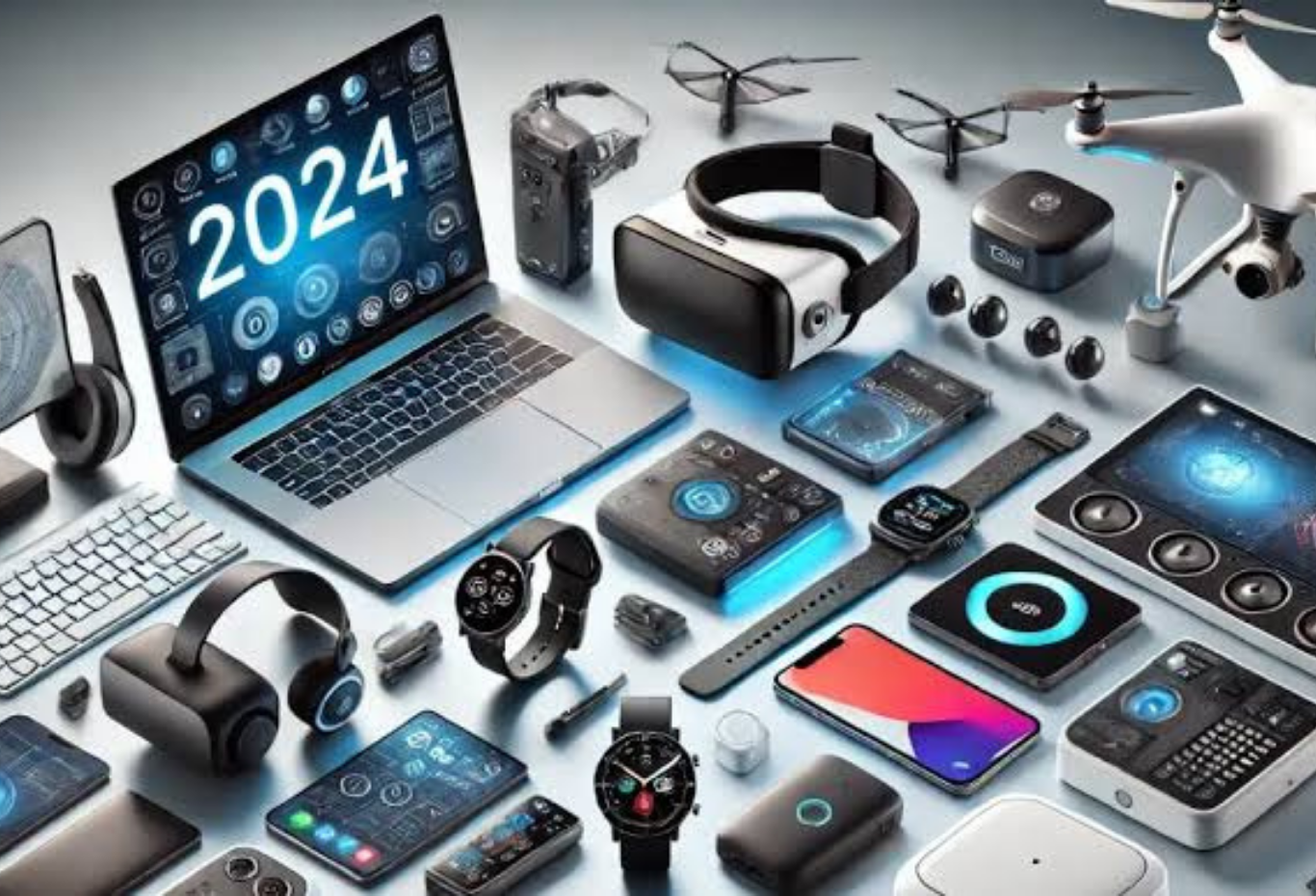
Gadgets have become an important part of modern everyday life. From smartphones and wireless earbuds to smartwatches, tablets, gaming devices, and smart home products, technology is changing the way people communicate, work, learn, travel, exercise, and relax. What was once considered a luxury is now a practical tool for many daily activities.
The world of gadgets continues to grow quickly. New devices are introduced regularly with better performance, improved designs, longer battery life, artificial intelligence features, and greater connectivity. With so many choices available, understanding different types of gadgets and knowing what to look for can help consumers make smarter purchasing decisions.
What Are Gadgets?
A gadget is a small electronic device or technological tool designed to perform a particular function or make an activity easier. Gadgets can range from simple accessories to advanced smart devices that connect to the internet and communicate with other products.
Smartphones are perhaps the most common example. A modern smartphone can function as a camera, communication device, navigation tool, entertainment system, payment method, and productivity assistant. Other popular gadgets include smartwatches, headphones, tablets, portable chargers, fitness trackers, smart speakers, cameras, and gaming consoles.
The main purpose of a gadget is usually convenience. A well-designed device can save time, simplify tasks, improve communication, or provide entertainment.
Smartphones and Mobile Gadgets
Smartphones remain at the center of the modern gadget ecosystem. They provide access to communication, social media, online shopping, banking, photography, navigation, streaming, and countless applications.
When choosing a smartphone, consumers should consider factors such as display quality, processor performance, storage capacity, camera capabilities, battery life, operating system, software support, and durability.
Mobile accessories can also improve the smartphone experience. Wireless chargers, power banks, protective cases, screen protectors, car mounts, and wireless earbuds are examples of useful smartphone-related gadgets.
However, consumers should avoid purchasing accessories simply because they look attractive. Compatibility, charging standards, build quality, warranty, and safety should also be considered.
Wearable Gadgets
Wearable technology has become one of the most popular areas of the gadget industry. Smartwatches and fitness trackers can provide notifications, activity tracking, sleep information, workout features, timers, alarms, and other useful functions.
Some smartwatches can also support calls, music controls, navigation, contactless payments, and third-party applications.
Fitness trackers generally focus more heavily on activity and exercise-related features. Depending on the device, users may be able to monitor steps, workouts, heart rate, and other fitness metrics.
The best wearable is not necessarily the one with the largest number of features. Consumers should choose a device that fits their lifestyle, smartphone ecosystem, comfort preferences, and budget.
Audio Gadgets
Wireless audio products have changed the way people listen to music, podcasts, videos, and online meetings. Wireless earbuds and headphones provide greater freedom without requiring traditional cables.
When buying audio gadgets, important features include sound quality, battery life, comfort, microphone performance, connectivity, durability, and noise-control technology.
Noise-canceling headphones can be particularly useful for people who travel frequently or work in busy environments. Meanwhile, compact wireless earbuds may be better for exercise, commuting, or everyday use.
Portable Bluetooth speakers are another popular gadget category. They can be useful for outdoor activities, small gatherings, travel, and home entertainment.
Smart Home Gadgets
Smart home technology is making ordinary household devices more connected. Smart bulbs, plugs, cameras, thermostats, doorbells, speakers, and appliances can often be controlled through mobile applications or voice assistants.
A smart plug, for example, can allow users to control a connected appliance remotely. Smart lighting can provide scheduling and remote-control features, while smart cameras can help users monitor specific areas of a property.
However, smart home gadgets should be selected carefully. Compatibility between devices is important because products from different ecosystems may not always work together seamlessly.
Security should also be a priority. Users should keep devices updated, create strong passwords, and use secure networks whenever possible.
Gadgets for Work and Productivity
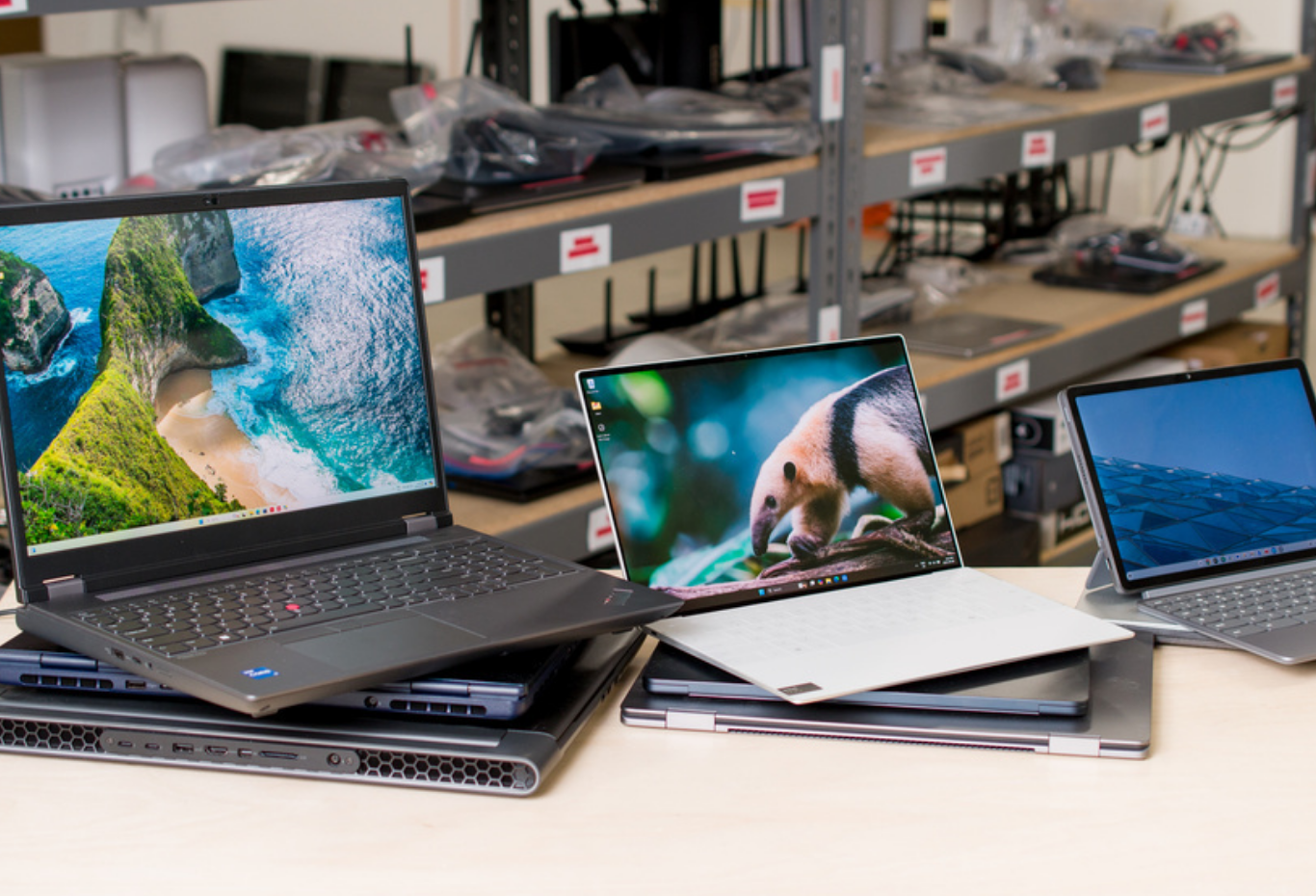
Technology has also transformed the modern workplace. Laptops, tablets, portable monitors, wireless keyboards, ergonomic mice, webcams, microphones, docking stations, and USB hubs can improve productivity.
For people who work remotely, a well-planned technology setup can make a significant difference. A reliable laptop combined with a comfortable keyboard, quality webcam, external monitor, and stable internet connection can create a practical home office.
Portable gadgets are especially useful for professionals who travel or work from different locations. Compact chargers, power banks, wireless accessories, and portable storage devices can help reduce the need to carry large amounts of equipment.
The key is to purchase gadgets that solve actual problems rather than adding unnecessary technology to a workspace.
Gaming Gadgets
Gaming is another major part of the consumer electronics market. Gaming consoles, handheld gaming devices, keyboards, mice, controllers, headsets, monitors, and accessories provide different ways to enjoy games.
Modern gaming gadgets increasingly focus on performance, portability, connectivity, and immersive experiences. Handheld gaming devices, for example, allow players to enjoy more powerful games away from a traditional desktop setup.
Gaming accessories can also improve comfort and control. A suitable gaming mouse, responsive keyboard, comfortable headset, and properly positioned monitor can make longer gaming sessions more enjoyable.
As with other gadgets, buyers should consider compatibility and actual needs before spending money on premium accessories.
Travel and Portable Gadgets
Travel-friendly gadgets can make journeys more convenient. Portable chargers, universal adapters, compact headphones, e-readers, smart trackers, travel routers, and lightweight cameras are popular choices among travelers.
A power bank can be particularly useful during long journeys when access to electrical outlets is limited. Likewise, a compact universal adapter can help travelers connect their devices in different countries.
Bluetooth trackers can also be useful for keeping track of luggage or other personal items. Their usefulness depends on compatibility with the user's smartphone and the network used by the tracking system.
The best travel gadgets are usually compact, durable, easy to use, and capable of serving multiple purposes.
Gadgets for Health and Fitness
Technology has become increasingly common in fitness routines. Smartwatches, fitness trackers, smart scales, wireless headphones, massage devices, and connected exercise equipment can support different aspects of an active lifestyle.
Fitness gadgets can help users record workouts, track activity, set goals, and stay motivated. Some connected equipment can also provide interactive training experiences.
However, technology should support healthy habits rather than replace professional advice. Fitness data is useful for general tracking, but users should understand that consumer devices may not provide medical-grade measurements.
How to Choose the Right Gadget
With thousands of gadgets available, choosing the right one can be difficult. The first step is to identify the actual problem the device should solve.
Instead of asking, “What is the newest gadget?” consider asking, “What do I need this gadget to do?”
Next, compare important specifications. Depending on the product, these may include battery life, storage, processor performance, display quality, connectivity, durability, compatibility, and warranty.
Price is another important factor. The cheapest product is not always the best value, while the most expensive product may include features that a typical user never needs.
Reading reliable reviews and comparing several models can help consumers understand real-world performance before purchasing.
The Importance of Battery Life
Battery life is one of the most important considerations for portable gadgets. A device with impressive features can become frustrating if it requires frequent charging.
Consumers should consider not only the manufacturer's battery claims but also how the device will actually be used. Gaming, video streaming, GPS, high screen brightness, and wireless connectivity can consume more power.
Fast charging can also be useful, especially for smartphones, laptops, earbuds, and other frequently used devices.
Gadget Sustainability and E-Waste
The rapid growth of consumer electronics also creates environmental challenges. Electronic waste can increase when people frequently replace functioning gadgets with newer models.
Consumers can make more sustainable choices by purchasing durable products, repairing devices when possible, recycling electronics responsibly, and avoiding unnecessary upgrades.
Buying refurbished gadgets from reputable sellers can also be an option for people who want to reduce costs while extending the useful life of electronics.
Long-term value should therefore be considered alongside price and specifications.
The Future of Gadgets
The future of gadgets will likely involve greater connectivity, smarter software, artificial intelligence, improved energy efficiency, and more personalized experiences.
Artificial intelligence is already being integrated into smartphones, computers, cameras, home devices, and other electronics. Future gadgets may become better at understanding user preferences and automating everyday tasks.
At the same time, privacy and security will become increasingly important. As more devices collect and exchange information, consumers will need to pay greater attention to permissions, software updates, account security, and data protection.
The goal of future technology should not simply be to create more devices. The most valuable innovations will be those that solve meaningful problems while remaining practical, secure, accessible, and easy to use.
Final Thoughts
Gadgets have become an essential part of modern life. Whether it is a smartphone used for communication, a smartwatch used for fitness, wireless earbuds used for entertainment, or a smart home device used for convenience, technology can make everyday activities easier.
However, buying gadgets should not be about owning the newest technology. The best gadget is the one that provides genuine value and fits the user's needs, budget, lifestyle, and existing technology ecosystem.
By comparing features, checking compatibility, considering long-term costs, and focusing on practical benefits, consumers can make better technology decisions. As innovation continues, gadgets will remain an important part of the way people work, communicate, travel, entertain themselves, and interact with the world around them.