Fashion is more than simply choosing what to wear each morning. It is a form of self-expression, a reflection of culture, and an important part of everyday life. From clothing and footwear to accessories, colors, fabrics, and styling choices, fashion influences how people present themselves and how they feel about their appearance.
The fashion industry is constantly changing. New trends appear every season, while older styles often return with a modern twist. Social media, celebrities, designers, influencers, and changing lifestyles all play a role in shaping what people consider fashionable. At the same time, many consumers are becoming more interested in affordable fashion, sustainable clothing, timeless pieces, and developing their own personal style.
Whether you follow the latest runway trends or prefer simple everyday outfits, understanding fashion can help you make smarter and more confident clothing choices.
What Is Fashion?
Fashion refers to popular styles and trends in clothing, accessories, footwear, beauty, and overall appearance. It changes over time and can vary significantly between countries, cultures, age groups, and communities.
Fashion can be influenced by many factors, including history, music, entertainment, technology, social movements, climate, and economic conditions. For example, clothing styles that were popular several decades ago may return as modern trends because designers and consumers often take inspiration from previous generations.
However, fashion does not necessarily mean following every trend. Personal fashion is about selecting clothing and accessories that match your personality, lifestyle, comfort, and preferences.
The Importance of Personal Style
Personal style is one of the most important aspects of modern fashion. While trends can provide inspiration, your wardrobe should ultimately reflect who you are.
Some people prefer minimalist outfits with neutral colors and simple designs. Others enjoy bold prints, bright colors, statement accessories, or experimental combinations. There is no single definition of good personal style.
Developing your own style can also make shopping easier. Instead of buying every item that becomes popular, you can focus on pieces that work with your existing wardrobe.
A useful approach is to identify the colors, silhouettes, fabrics, and outfit combinations that you naturally enjoy wearing. Over time, these preferences can become the foundation of a recognizable personal style.
Fashion Trends and Seasonal Changes
Fashion trends often change according to the season. Spring and summer collections usually feature lighter fabrics, brighter colors, relaxed silhouettes, and breathable materials. Fall and winter fashion often focuses on layering, heavier fabrics, coats, knitwear, boots, and deeper colors.
Seasonal fashion can be useful because it provides fresh ideas for updating your wardrobe. However, buying a completely new wardrobe every season can become expensive and wasteful.
A better strategy is to combine a few seasonal pieces with timeless clothing. For example, a classic pair of trousers can be worn with different seasonal tops, jackets, or accessories. This creates more outfit combinations without requiring a large amount of clothing.
The Role of Social Media in Fashion
Social media has transformed the way fashion trends spread. Platforms such as Instagram, TikTok, Pinterest, and YouTube allow users to discover outfits and styling ideas from people around the world.
Fashion influencers and content creators can introduce emerging trends to millions of viewers within a short period. A particular style of jacket, handbag, shoe, or outfit can become widely popular after appearing in viral content.
Social media has also made fashion more accessible. Consumers can discover independent designers, small clothing brands, vintage stores, and styling inspiration without relying solely on traditional fashion magazines.
However, social media can also encourage overconsumption. Constant exposure to new trends may make people feel that their existing wardrobe is outdated. Building a personal style rather than continuously chasing viral trends can help create a more balanced approach to fashion.
Building a Versatile Wardrobe
A versatile wardrobe does not need to contain hundreds of items. Instead, it should include clothing that can be combined in different ways.
Some useful wardrobe essentials include well-fitting trousers or jeans, simple tops, versatile shirts, comfortable footwear, a jacket or blazer, and a few accessories. The exact items depend on your lifestyle, climate, profession, and personal preferences.
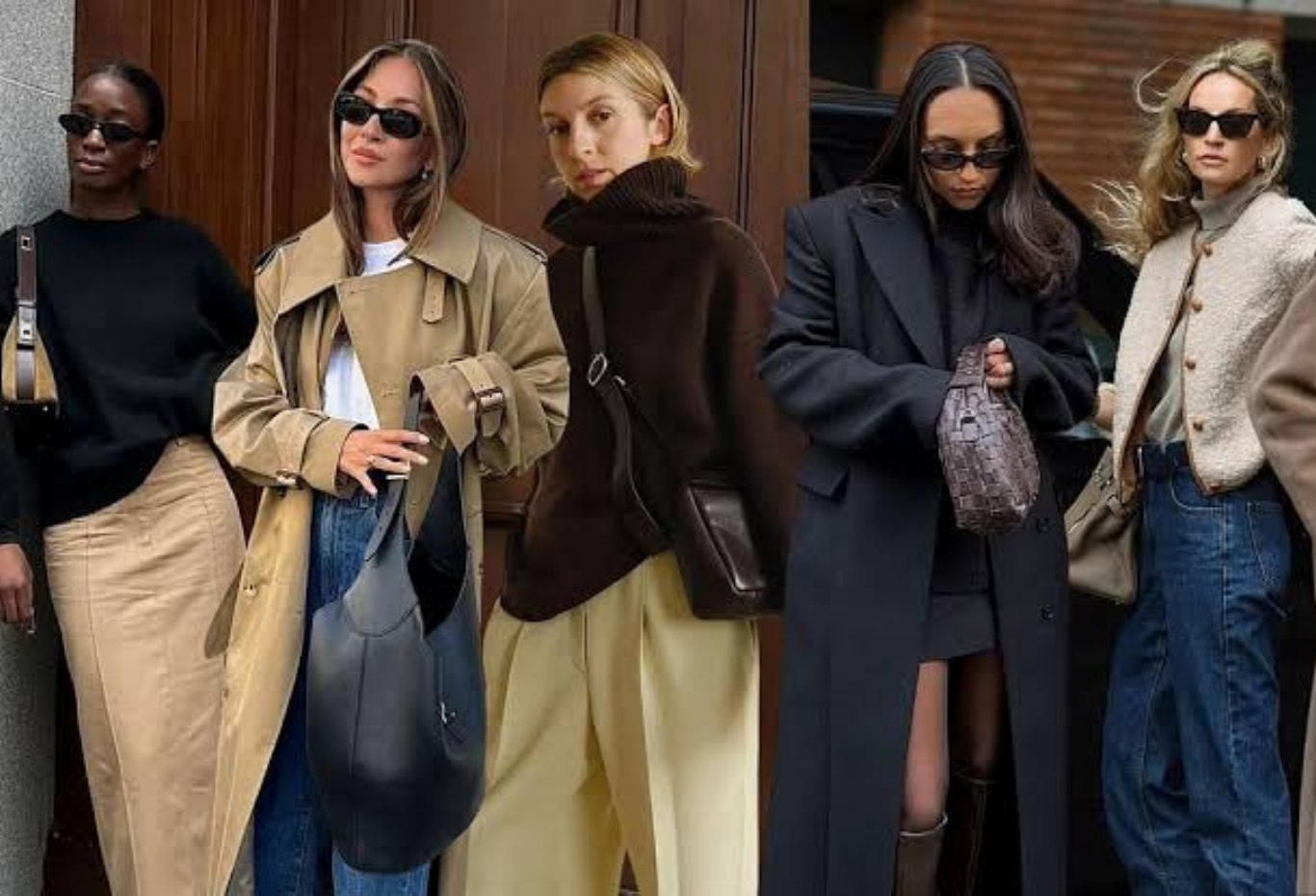
Neutral colors such as black, white, beige, gray, navy, and brown can make mixing and matching easier. You can then introduce personality through colorful accessories, patterned pieces, or statement clothing.
The goal is to create a wardrobe where individual pieces work together rather than purchasing items that can only be worn with one specific outfit.
Affordable Fashion and Smart Shopping
Fashion does not have to be expensive. With careful shopping, it is possible to create stylish outfits on a reasonable budget.
One of the best ways to save money is to compare prices before purchasing. Online stores, seasonal sales, outlet sections, clearance events, and secondhand marketplaces can provide opportunities to find clothing at lower prices.
Another important consideration is cost per wear. A more expensive, high-quality item that you wear regularly may provide better value than a cheap item that loses its shape after a few uses.
Before buying something, ask yourself whether it works with clothing you already own. If an item can create several different outfits, it may be a more practical purchase.
Sustainable Fashion
Sustainability has become an increasingly important topic in the fashion industry. The production, transportation, and disposal of clothing can have environmental consequences, which has encouraged consumers and businesses to consider more responsible approaches.
Sustainable fashion can include buying fewer but better-quality items, choosing durable fabrics, repairing damaged clothing, purchasing secondhand pieces, and donating or recycling unwanted garments responsibly.
Consumers can also reduce waste by avoiding impulse purchases. Before buying a trendy item, consider whether you are likely to continue wearing it after the trend disappears.
Sustainable fashion does not necessarily mean completely avoiding new clothing. Instead, it encourages people to think more carefully about what they buy, how often they use it, and how long it is likely to remain useful.
The Return of Vintage and Retro Fashion
Fashion often moves in cycles. Styles that were popular decades ago frequently return in updated forms.
Vintage-inspired clothing has become particularly popular because it provides a distinctive alternative to mass-market trends. Denim styles, retro sunglasses, classic handbags, oversized silhouettes, and older patterns can all be incorporated into modern outfits.
The key to wearing vintage-inspired fashion successfully is balance. Combining one retro piece with contemporary basics can create an outfit that feels current rather than like a complete historical costume.
Vintage fashion can also provide an opportunity to discover unique pieces that are less common in mainstream stores.
Fashion and Cultural Influence
Fashion is strongly connected to culture. Traditional clothing, regional textiles, embroidery, patterns, and craftsmanship can influence contemporary designers and modern collections.
Different cultures have developed distinctive approaches to clothing based on climate, history, religion, geography, available materials, and social traditions.
Today, global communication allows people to discover fashion influences from different parts of the world. This has created greater variety in modern fashion while also highlighting the importance of respecting cultural traditions and craftsmanship.
Traditional techniques can also support local artisans and preserve skills that have been passed down through generations.
Choosing Clothes That Fit Your Lifestyle
One of the biggest fashion mistakes is purchasing clothing based only on appearance without considering lifestyle.
Someone who spends most of the day working in an office may need different clothing from someone who works outdoors or from home. Similarly, people living in hot climates may prioritize breathable fabrics, while colder regions require layering and insulation.
Comfort should also be considered. Clothing that looks attractive but is uncomfortable may remain unused in your closet.
A practical wardrobe should support your everyday activities. Fashion becomes much easier when your clothing works with your lifestyle instead of requiring you to constantly adjust your lifestyle around your clothes.
The Importance of Fit
Fit can have a significant impact on how clothing looks. Even an expensive garment may not appear polished if the proportions are unsuitable.
When shopping, pay attention to shoulder placement, sleeve length, waist fit, trouser length, and overall proportions. Minor tailoring adjustments can sometimes make an ordinary garment look considerably better.
Fit does not necessarily mean wearing extremely tight clothing. Depending on the style, relaxed, oversized, straight, or structured silhouettes can all work well when the proportions are intentional.
Understanding your preferred silhouettes can help you make better purchasing decisions.
Accessories and Styling
Accessories are an easy way to change the appearance of an outfit. Bags, watches, belts, scarves, sunglasses, jewelry, and shoes can add personality without requiring an entirely new wardrobe.
For example, a simple neutral outfit can look completely different when paired with a statement handbag or bold footwear.
Accessories can also help transition outfits between different occasions. The same basic clothing can often be styled casually for daytime or dressed up for an evening event by changing shoes, jewelry, and outerwear.
The key is balance. Too many statement pieces can compete for attention, while carefully selected accessories can make an outfit feel complete.
The Future of Fashion
The future of fashion is likely to be shaped by technology, sustainability, personalization, and changing consumer expectations.
Online shopping and virtual experiences are already changing how people discover and purchase clothing. Artificial intelligence and digital tools may increasingly help consumers find products, create outfit combinations, and understand sizing or style preferences.
At the same time, sustainability is likely to remain an important concern. Consumers are becoming more interested in durable products, responsible manufacturing, resale markets, and reducing unnecessary consumption.
Fashion may also become increasingly personalized. Rather than following one dominant trend, consumers can discover smaller style communities and create wardrobes that better reflect their individual identities.
Final Thoughts
Fashion is constantly evolving, but great style does not require following every new trend. The most effective approach is to understand your personal preferences, choose clothing that fits your lifestyle, invest in versatile pieces, and use trends as inspiration rather than strict rules.
From affordable everyday outfits to sustainable clothing and vintage-inspired looks, fashion offers countless ways to express individuality. Building a thoughtful wardrobe can also make getting dressed easier, reduce unnecessary spending, and encourage more responsible consumption.
Ultimately, fashion is not only about what is popular. It is about finding clothing that makes you feel comfortable, confident, and authentic while allowing your personal style to evolve over time.