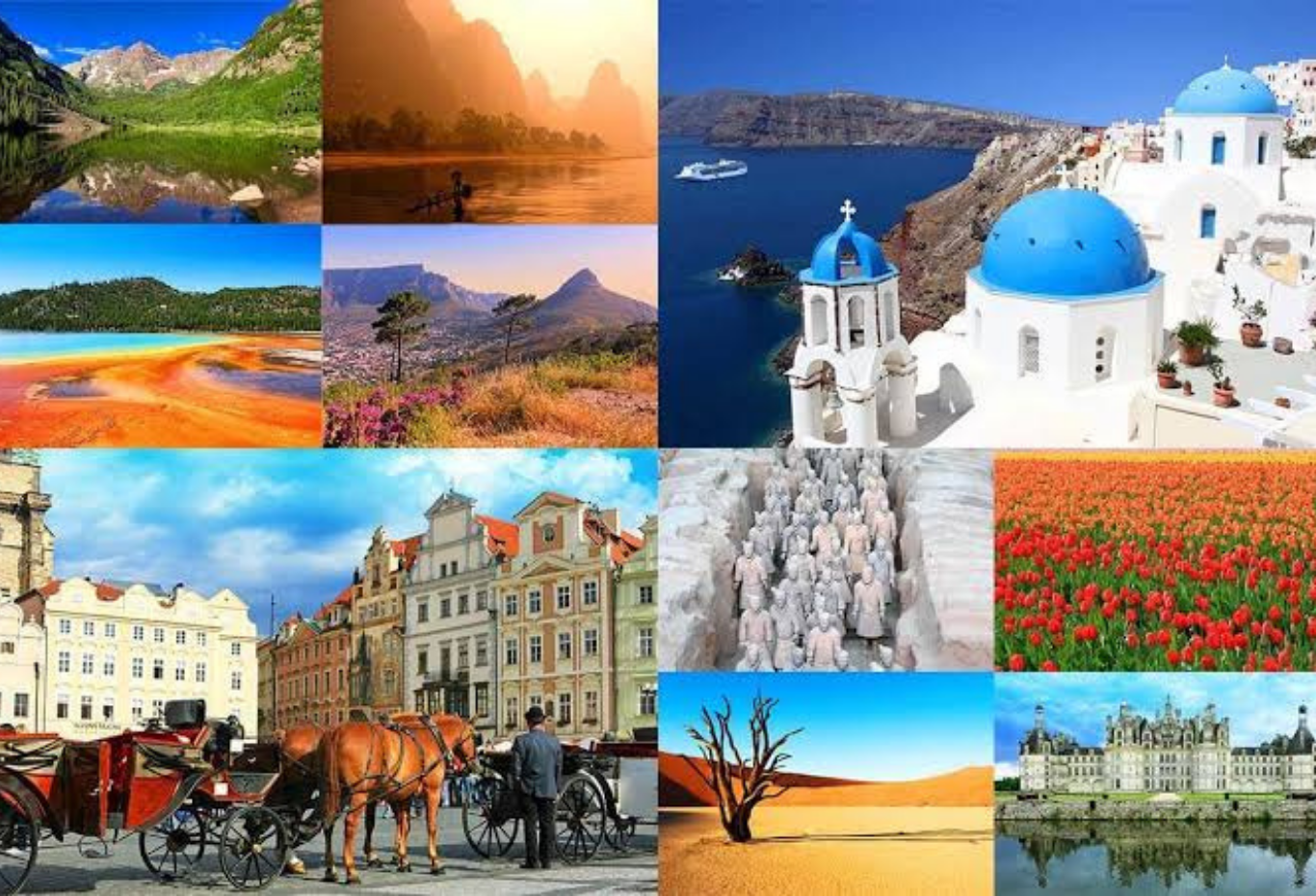
Choosing the right destination can completely change the way you experience a trip. Some travelers dream of relaxing beside a tropical beach, while others prefer historic cities, mountain landscapes, cultural villages, or exciting urban adventures. With thousands of destinations around the world, travelers have more opportunities than ever to create trips that match their interests, budget, and lifestyle.
A destination is more than simply a location on a map. It includes the people, culture, food, attractions, landscapes, history, activities, and experiences that make a place unique. Whether you are planning a short weekend getaway or a long international vacation, understanding what makes a destination appealing can help you plan a more enjoyable journey.
What Makes a Great Travel Destination?
There is no single definition of a perfect destination. What makes a place attractive depends on the traveler's expectations.
For some people, a great destination means beautiful beaches, warm weather, and peaceful surroundings. Others may prioritize museums, historical landmarks, architecture, shopping, or nightlife.
Accessibility is another important factor. A destination with convenient transportation, a variety of accommodation options, and useful tourist facilities may be easier to explore.
Safety, affordability, local culture, food, weather, and available activities can also influence the overall experience.
The best destination is ultimately one that matches your personal interests rather than simply being popular on social media.
Beach Destinations
Beach destinations remain among the most popular choices for vacations. Warm weather, ocean views, sandy beaches, and water activities can provide an ideal environment for relaxation.
Beach vacations can range from luxurious resort experiences to affordable coastal getaways. Travelers can spend their time swimming, snorkeling, boating, exploring coastal towns, or simply relaxing near the water.
However, beach destinations are not only about relaxation. Many coastal areas have interesting local cultures, seafood traditions, historic neighborhoods, nature reserves, and outdoor activities.
When planning a beach trip, consider the season, weather conditions, accommodation location, transportation, and activities available beyond the beach.
Mountain Destinations
Mountain destinations appeal to travelers who enjoy nature, adventure, and dramatic scenery. Mountains can offer hiking trails, scenic viewpoints, wildlife experiences, skiing, camping, and peaceful surroundings.
Different seasons can completely transform a mountain destination. Summer may be ideal for hiking and sightseeing, while winter can attract travelers interested in snow activities.
Mountain trips often require more preparation than city vacations. Travelers should consider weather conditions, transportation, appropriate clothing, trail difficulty, and access to essential services.
For those who enjoy photography and outdoor exploration, mountain destinations can provide some of the most memorable travel experiences.
Historic Destinations
History-focused destinations allow travelers to explore the events, architecture, traditions, and cultures that shaped different societies.
Historic cities may contain ancient buildings, museums, monuments, archaeological sites, castles, religious structures, and traditional neighborhoods.
Exploring these locations can provide context that is difficult to gain from books alone. Walking through an old city or visiting a preserved historic site can make history feel more tangible.
Travelers should take time to learn about local history before visiting important sites. Understanding their significance can make the experience much more meaningful.
Cultural Destinations
Cultural destinations offer opportunities to experience local traditions, festivals, art, music, crafts, clothing, and cuisine.
Travelers can explore local markets, attend cultural performances, visit museums, participate in workshops, or simply spend time observing everyday life.
Food is particularly important to cultural travel. Traditional dishes often reflect a region's history, climate, agriculture, and cultural influences.
When visiting culturally significant places, respectful behavior is essential. Learning basic local customs and following rules regarding photography, clothing, and behavior can help travelers interact more positively with local communities.
Urban Destinations
Large cities offer a completely different travel experience from rural or nature-focused destinations. Urban destinations often provide a combination of restaurants, shopping, entertainment, museums, galleries, architecture, events, and nightlife.
Cities can also be convenient for travelers because public transportation and accommodation choices are often widely available.
One advantage of city travel is variety. Travelers can visit a museum in the morning, explore a historic neighborhood in the afternoon, enjoy local food in the evening, and attend a performance at night.
However, major cities can also be crowded and expensive. Travelers can sometimes save money by staying slightly outside the most popular tourist districts while remaining close to public transportation.
Nature and Wildlife Destinations
Nature-focused destinations are ideal for travelers who want to spend time away from busy urban environments.
National parks, forests, lakes, wetlands, deserts, and wildlife reserves can provide opportunities for hiking, photography, birdwatching, camping, and wildlife observation.
Responsible behavior is especially important when visiting natural environments. Travelers should follow local regulations, avoid disturbing wildlife, stay on designated paths where required, and take waste with them.
Wildlife should be observed from a safe and respectful distance. The goal should be to appreciate nature without negatively affecting the environment.
Food Destinations
For many travelers, food is one of the main reasons to visit a particular destination.
Some cities and regions are famous for specific dishes, cooking traditions, street food, markets, bakeries, or restaurants. Food-focused travel can introduce visitors to flavors and ingredients they may never experience at home.
Travelers can explore food destinations through local markets, cooking classes, traditional restaurants, food tours, and neighborhood eateries.
Trying local food can also be a way to understand culture. The history of a dish may reveal information about migration, trade, agriculture, religion, or regional traditions.
Affordable Travel Destinations
A memorable destination does not have to be expensive. Many places offer affordable accommodation, transportation, food, and attractions.
Budget-conscious travelers should compare the total cost of a trip rather than focusing only on airfare or hotel prices.
A destination with inexpensive accommodation may still be expensive if transportation and food costs are high. Likewise, a slightly more expensive hotel in a central location might reduce transportation expenses.
Traveling during less busy periods can sometimes provide better prices and fewer crowds. Free attractions, public parks, walking tours, local markets, and inexpensive restaurants can also help reduce travel costs.
Family-Friendly Destinations
Family travel requires destinations that can accommodate different ages and interests.
Families may prefer destinations with safe transportation, comfortable accommodation, accessible attractions, child-friendly activities, and convenient dining options.
Planning a family trip also requires flexibility. Young children may need regular breaks, while older children may want more active experiences.
Instead of trying to visit every major attraction, families can select a few highlights and leave time for rest and spontaneous activities.
The best family destination is one where both children and adults can enjoy the experience.
Romantic Destinations
Romantic destinations are often associated with beautiful scenery, relaxing accommodation, memorable dining, and activities that couples can enjoy together.
A romantic trip does not necessarily require luxury. Exploring a scenic town, watching a sunset, taking a walk through a historic neighborhood, or sharing a local meal can create meaningful memories.
Couples should choose destinations based on shared interests. Some may prefer peaceful beaches, while others may enjoy cultural cities, mountain escapes, or food-focused vacations.
Adventure Destinations
Adventure destinations attract travelers looking for exciting and physically active experiences.
Activities can include hiking, rafting, diving, cycling, climbing, kayaking, skiing, zip-lining, or other outdoor adventures.
Before participating in adventure activities, travelers should understand the risks and choose reputable operators when professional equipment or guides are required.
Fitness level and experience should also be considered. An activity that looks easy in photographs may require significant physical preparation.
Adventure travel is most enjoyable when travelers balance excitement with sensible preparation and safety.
Choosing Destinations by Season
The time of year can have a major impact on a destination.
Some destinations are best visited during warm, dry months, while others offer unique experiences during colder seasons. Certain places may become extremely crowded during peak travel periods.
Traveling during shoulder seasons can sometimes provide a useful compromise between weather, prices, and crowd levels.
Before booking, research typical weather conditions, seasonal events, local holidays, and tourism patterns.
This can help you avoid unpleasant surprises and choose a travel period that matches your expectations.
Sustainable Destinations
Sustainable tourism has become increasingly important as travelers become more aware of the environmental and social impact of tourism.
Travelers can support responsible destinations by choosing locally owned businesses, using public transportation where practical, reducing waste, respecting natural areas, and avoiding activities that exploit wildlife.
Supporting local restaurants, guides, artisans, and accommodation providers can also help tourism benefits reach local communities.
Sustainable travel does not require avoiding popular destinations entirely. It means making thoughtful decisions that reduce unnecessary environmental and social impacts.
Hidden Gems and Lesser-Known Places
Popular destinations can be wonderful, but lesser-known places can offer a different kind of travel experience.
Small towns, quiet coastal communities, local markets, regional parks, and less-visited cultural sites may provide opportunities to experience a destination away from large crowds.
However, travelers should avoid assuming that every "hidden gem" is completely unknown. Once a location becomes popular online, increased tourism can affect local communities.
Respectful travel remains important regardless of how famous or remote a destination may be.
How to Choose Your Ideal Destination
Choosing a destination becomes easier when you start with your priorities.
Ask yourself what type of experience you want. Are you looking for relaxation, adventure, culture, history, food, nature, shopping, or nightlife?
Next, consider your budget and available time. A destination may be attractive, but it might not be practical for a short trip or limited budget.
Weather and transportation should also be considered. Finally, research accommodation, local attractions, food, safety information, and travel requirements before making your final decision.
Creating a shortlist of three to five destinations can make comparison easier.
Making the Most of Any Destination
Once you arrive, avoid focusing exclusively on completing a checklist of attractions.
Take time to explore local neighborhoods, try regional food, talk respectfully with residents, and notice the everyday details of the destination.
A trip does not have to be packed with activities to be valuable. Sometimes a slow morning at a local café or an evening walk through a neighborhood can become one of the most memorable parts of a vacation.
Photography can help preserve memories, but remember to experience the destination directly rather than viewing everything through a camera or phone.
Final Thoughts
The world is filled with destinations that offer different landscapes, cultures, traditions, cuisines, and experiences. From beaches and mountains to historic cities, wildlife areas, cultural centers, and quiet towns, there is a destination for almost every type of traveler.
Choosing the right place requires more than looking at beautiful photographs. Consider your interests, budget, available time, preferred activities, weather, accommodation, transportation, and travel style.
The most memorable destinations are often those that offer experiences that genuinely connect with you. Whether you are searching for adventure, relaxation, culture, food, or quality time with family, thoughtful destination planning can turn an ordinary trip into an unforgettable journey.